Teaching you how to achieve superior health, leanness and performance.
April 28th, 2009 Milan
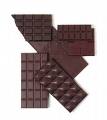
Eating dark chocolate boosts the blood’s antioxidant power by 20%, according to research published in Nature magazine. The antioxidant in chocolate is called epicatechin. Milk chocolate is much less effective.
A study of older men in the Netherlands found eating the equivalent of a third of a dark chocolate bar (about 40g) a day may lower blood pressure and the risk of death.
Dark chocolate (but not milk chocolate or white chocolate) also appears to inhibit the aggregation of platelets, an early step in the formation of blood clots that can cause heart attack or stroke.
However, chocolate also contains sugar and fat, so while a little chocolate may be a good thing, a lot of chocolate may be too much of a good thing.
Posted in Fit nutrition | No Comments »
April 25th, 2009 Milan
I’ve been reading about some amazing athletic performances of people in older age recently.
Here is one:
The Ukrainian Tatyana Pozdnyakova won the 2003 City of Los Angeles Marathon in 2:29:40 at age 48 .
The Los Angeles Marathon is not some small-time affair. It attracts elite runners from around the world. Pozdniakova finished more than three minutes ahead of the second female finisher in the highly competitive field. Pozdniakova won the Los Angeles Marathon again the next year, at 49.
“I don’t think about age,” she told a newspaper reporter. “My age is very high for top marathon runner, but my head is strong. It is not about your body. It is about discipline in preparation.”
Hm, I hardly know anyone in their twenties who can run 1 mile as fast as Pozdniakova runs a whole marathon.
She averages a mile in about 5 min and 43 seconds on her whole marathon. That’s really fast. I can run a single mile in about 6:15 if I try really hard and I consider myself as an athlete in early thirties.
Posted in Age is just a number | No Comments »
April 23rd, 2009 Milan
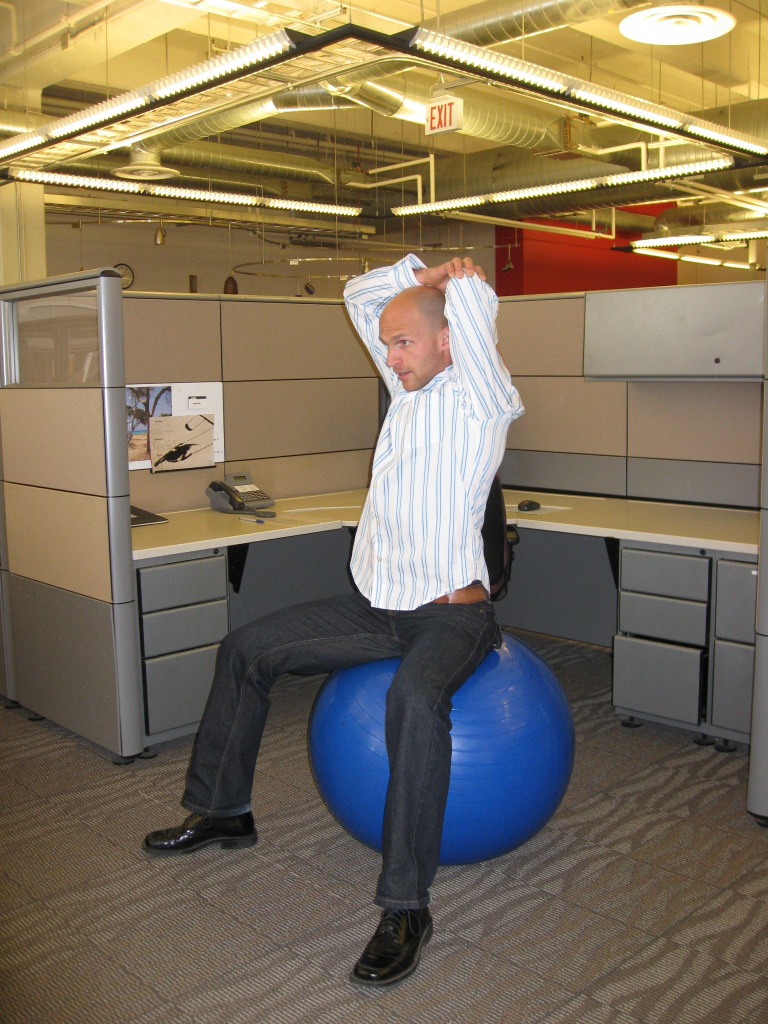
You can develop strength, flexibility and, to some extend, aerobic capacity by exercising at your desk following the routines of these office workout.
Office workout is most useful for those times when your usual exercise schedule is disrupted, when putting in extra hours at work. But even if you have time after work to exercise, you should do office workout to keep your days more active, and use the afternoon for your aerobic exercises or different gym workouts.
When should you do your office workout?
Do your office workout on Mondays, Wednesdays and Fridays or any nonconsecutive days. Alternate workouts: For example if you are beginner do beginner workout # 1. on Monday, than do beginner workout # 2. on Wednesday and again workout #1. on Friday and # 2 on Monday. These gives you more variety.
What workout level should you do?
Always strive to improve your level, if you are beginner and you’ve been doing beginner workouts for a while, try intermediate workout. If you can complete it, fallow with intermediate workouts, if not, go back to beginners level. Once you are able to move to advanced workout, your fitness level will explode.
What should you do, if you get interrupted between your exercises?
This is to be expected. Do what you need to do and resume your workout where you finished. Stretch a little again before you resume workout.
What should you do when your boss tells you that, you can’t exercise in the office?
Tell that control freak, that there are a lot of studies on increased productivity and performance at work and less sick days for people, who exercise regularly and who have regular active work breaks.
What other things should you know?
- Perform all exercises steadily and with control. This will subject your muscles to constant stress during both the lifting and the lowering phase.
- Avoid quick, explosive movements
- No matter what type of exercise you perform, always work both sides of the body equally.
- Do few stretches before you start. When stretching, avoid bouncing. Stretch a muscle only about 10% beyond its normal length, which is the point where you feel tension but not pain.
- If you have time, warm up before you do your office workout, but if you don’t, just stretch. For example you can walk faster around the office or climb few flights of stairs.
- Breathe slowly and steadily as you perform the exercises.
- These office workouts are not intended to replace longer, more intensive aerobic exercise, which you should do on your own during work break or after work. You need to do your vigorous aerobic exercise such as running, walking, cycling, rowing, swimming on your own outside of the office – 3 – 5 times per week 30 – 45 minutes. If your time is severely restricted, you should devote all or most of your workouts outside of the office to aerobic exercise.
What exercise equipment will you need?

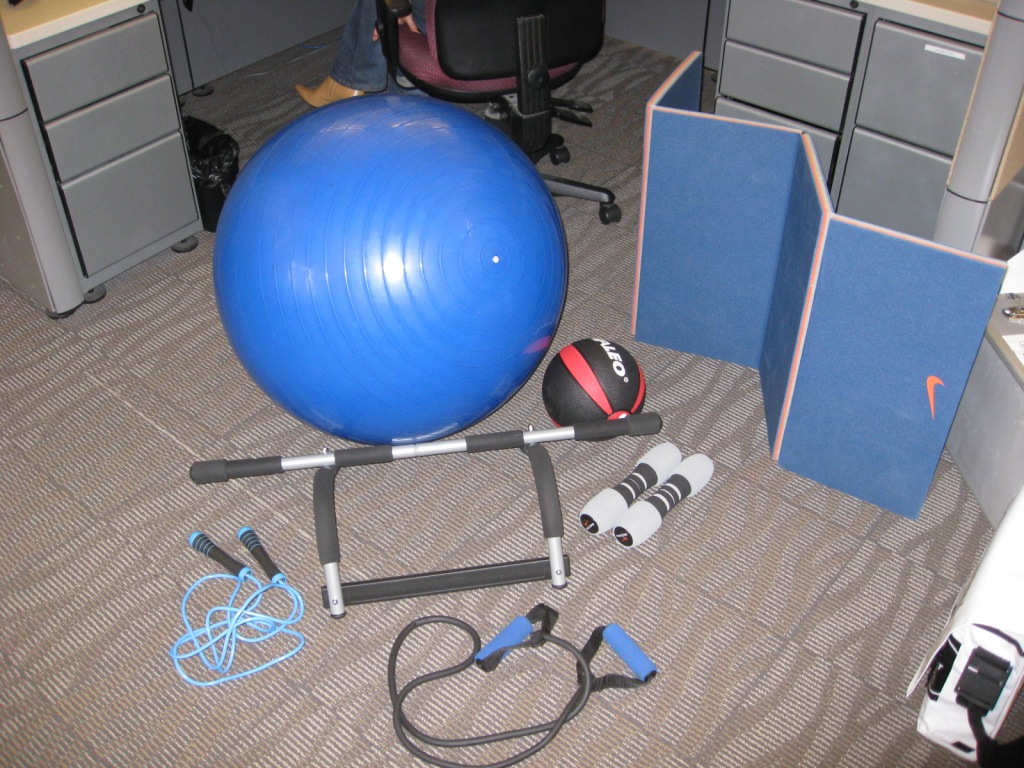
1. Swiss ball – any exercise becomes more interesting when you try it on a ball or with a ball instead on the floor, chair or bench.
2. Dumbbells -you can get a couple of handles and load them with the plates. Fixed dumbbells – if you choose these kind of dumbbells, you will need to have at least 2 pairs – heavier and lighter. You should not be able to complete comfortably 15 repetitions, that’s how heavy they should be for different kind of exercises.
3. Band with handles
4. Jump rope
5. Heavy ball (at least 5Lb)
6. Exercise floor mat
And if you are able to do advanced office workout you will need:
7. Chin up bar – you can mount it to the doorway or get one of those mount free chin up bars.
Office workouts:
Office workout – beginner # 1
Office workout – beginner # 2
Office workout – intermediate # 1
Office workout – intermediate # 2
Office workout – advanced # 1
Office workout – advanced # 2
Posted in Office workout, Workout plans | No Comments »
April 19th, 2009 Milan
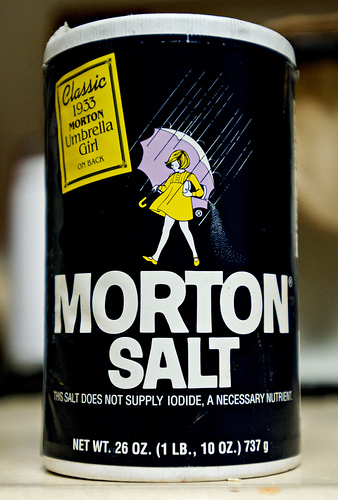
Salt is essential to human life. Our bodies cannot function without salt:
- Salt assists in nerve transmission and muscle contraction.
- It is vital to maintaining electrolyte balance by controlling the passage of fluids in and out of the cells
- It helps move nutrients into cells and transport waste away from them
- Salt assists with regulating blood pressure
The recommended daily amount of sodium for a normally active person is 2400 mg or less.
1 teaspoon of table salt = 2300 mg of sodium.
Most Americans consume 3500 – 6000 mg of sodium a day. This higher consumption is not due to the intake of salt that occurs naturally in food, nor is it because of salt added during cooking or at the table. It is salt added by the food industry to processed foods.
Only athletes and other people who are very active physically need more than 2400 mg a day.
High sodium intake may precipitate high blood pressure in genetically predisposed salt-sensitive people. But it is very unhealthy to exclude salt entirely from your diet. The key is moderation.
High-sodium foods:
Processed foods, especially canned soups, beans, tomato sauce, vegetables, and other canned foods; soy sauce; table salt; pickled foods; olives; sauerkraut; processed meats such as salamis, sausages, bologna, hot dogs, hamburgers, ham, anchovies; caviar; canned tuna; sardines; herring; smoked salmon; bouillon; barbecue sauce; catchup; mustard. But, this is just a fraction of high sodium foods.
Strategies for cutting your sodium intake
- Drain cans of meats, vegetables, beans out offluids
- Wash canned beans, peas, vegetables in warm water
- Use salt-free spices, fruits such as lemon, lime and orange, and fresh or dried herbs
- Use moderate amounts of salt in cooking, or use none at all whenever possible
- Try low salt and salt-free products
- Choose fresh over processed foods whenever possible
Posted in Fit nutrition | No Comments »
April 16th, 2009 Milan
Part of our genetic heritage is an inborn taste for sweet foods. Honey was the primary sweetener in Europe, until about 1500, when refined sugar cane came into greater use.
Moderate amounts of both naturally occurring and added sugars are part of any healthy diet.
Simple sugars are all the same, whether naturally occurring or added. But it is important to eat more of the healthy foods containing naturally occurring sugars.
Naturally occurring sugars are in many of the foods we eat: fruits, vegetables, grains, milk, fermented alcoholic beverages.
Added sugars usually originate in a natural source, such as sugar cane or sugar beats, or maple trees, but they are manufactured for the express purpose of adding sweetness to food.
The dry forms of added sugar are: brown sugar, granulated sugar, cane sugar, raw sugar, confectioner’s sugar and maple sugar.
Syrups are: honey, corn syrup, corn sweeteners, maple syrup, high-fructose corn syrup, dextrose and molasses.
If you are on weight-control or weight-loss diet, you need to keep high-calorie snacks and candy to a minimum. But if you are weight stable, you can enjoy candy in moderation.
Some good news about candy:
- Chocolate, particularly good-quality dark chocolate contains the flavonoid catechin, an antioxidant. Catechin is also found in tea, it is known to have a role in reducing the risk for heart disease and cancer.
- Another study of chocolate showed that cacao powder extract is powerful antioxidant for reducing LDL bad cholesterol.
The great news is that moderate candy consumption – especially dark chocolate will make you healthier.
The drawback of eating too many sweets:
- Sugars contribute to tooth decay.
- By itself, sugar does not cause diabetes. However, the combination of high sugar intake with low dietary fiber does put a person at elevated risk for the development of Type 2 diabetes.
- High intake of refined sugar together with a lack of fiber in the diet can put a person at elevated risk for both diabetes and heart disease.
Here are some high sugar foods: cookies, cakes, pies, candy, soda pop, jelly, fruit drinks, syrups, honey, beer, wine, hard liquor.
How about artificial sweeteners?
Unless you are diabetic, don’t use artificial sweeteners. A teaspoon of sugar has only 15 calories, which is negligible. There is nothing wrong with using a little sugar or honey in your tea or coffee.
Stay away also from artificially sweetened foods. Stick with the natural variety.
A little bit of sugar is not bad at all.
Posted in Fit nutrition | No Comments »
April 12th, 2009 Milan
If you don’t now how to stretch properly, when to stretch and why to stretch, read stretching for better fitness before you start.
1. Triceps stretch


2. Chest and hamstring stretch sitting on ball

3.Groin and hamstring stretch sitting on ball

Keep your back straight when you lean forward.
4. Hamstring stretch sitting on ball

Keep your back straight when you lean forward.
5. Front upper torso – abs, chest stretch on ball

Relax while maintaining these position
6. Side stretch on ball


7. Back stretch on ball

8. Quadriceps stretch on ball


9. Healthy shoulders stretch

Repeat these stretch for both sides

10. Torso – abs stretch sitting on the ball

11. Standing biceps and chest stretch

Lean against support until you feel stretch, than hold.

12. Standing shoulder stretch

Keep your elbow extended while stretching. Support your elbow with your other hand and try to bring shoulder as close as you can toward your elbow.

13. Back stretch on the floor against ball

14. Groin, hamstring and back stretch against ball

15. Calf stretch


16. Quadriceps stretch on the ball


You knee should be pointed toward the floor. Hold on to the support.
17. Hip stretch on chair

Push your knee down with your hand until you feel the stretch

18. Sitting chest and back stretch

19. Sitting hamstring stretch – one leg on table.

Keep your back straight while holding these position

20. Sitting hamstring stretch – both legs on the table

Keep your back straight while holding these stretch
21. Standing quadriceps stretch

Posted in Stretching | No Comments »
April 9th, 2009 Milan
From: The Healing power of exercise by Goldberg M.D. and Elliot M.D.:
Exercise is part of the treatment for inflammatory arthritis.
Rather than being harmful, exercise reduces joint destruction. Importantly, people with rheumatoid arthritis who exercise are able to be more active and have fewer limitations as a result of their joint problem.
By exercise, we do not mean just gentle stretching. The more intense activities resulted in the greatest improvements.
Even when followed for a decade, people with rheumatoid arthritis who exercised did not have more inflamed of damaged joints.
As a person with inflammatory arthritis, when you begin a program of physical activity, you should work on 1. cardiovascular endurance, 2. muscle strength and 3. joint flexibility.
Is it rheumatoid arthritis?
Rheumatoid arthritis is definitely present if you have four or more of these findings:
- Swelling in 3 or more joint areas for at least 6 weeks
- Joint involvement that is similar on both sides of your body
- Involvement of hand joints and wrists for 6 weeks or longer
- More than one hour of joint stiffness when you wake up
- Rheumatoid nodules (bumps along the undersurface of your forearms)
- Positive blood test for rheumatoid factor
- X rays showing thinning of the bone next to an inflamed joint
Posted in Arthritis and exercise | No Comments »