To achieve better strength, health and performance, you need to train at the threshold of intensity. For example when doing 3 sets of 15 repetitions per exercise: in the 1st set adjust the load, so you are able to finish15R – repetitions with correct technique, with little difficulty, but it is still somehow challenging in […]
Archives for August 2008
How fast should you perform resistance exercises
Resistance exercise speed plays a major role with regards to injury risk and strength development. I recommend 2 seconds for each lifting movement (pushing or pulling weight phase) and 4 seconds for each lowering movement (releasing the weight back to the starting position phase).
How to breath correctly during resistance exercise
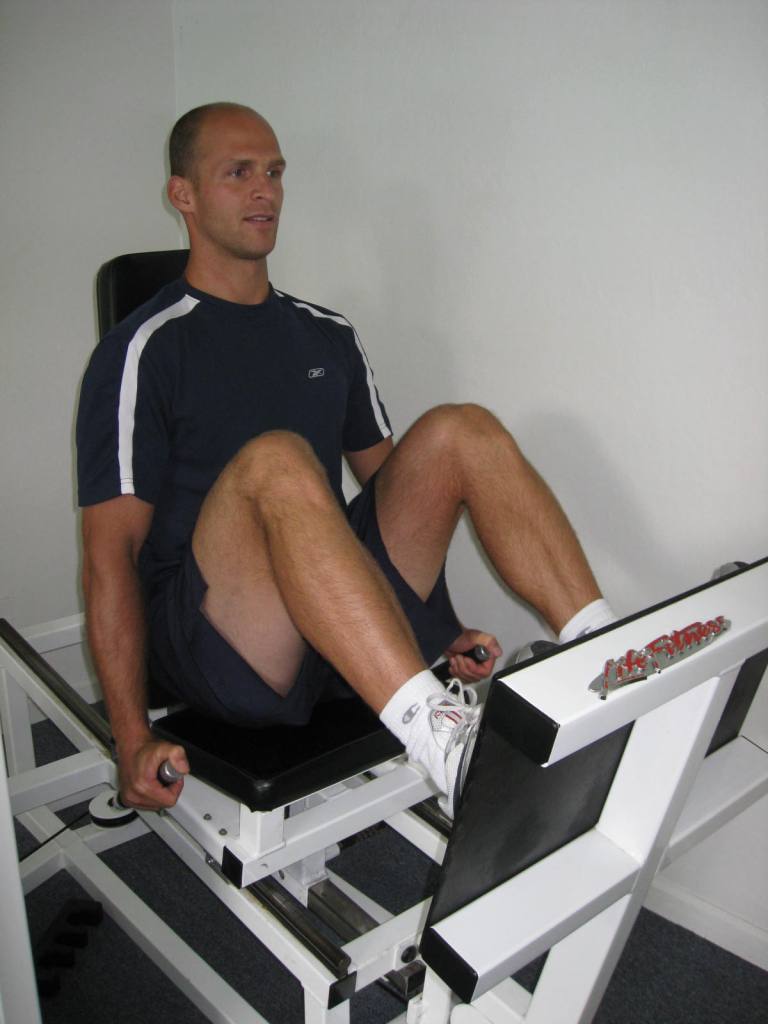
Breathing correctly during resistance exercise is simple: take deep breaths, expanding your lower abdomen exhale when you lift the weight or your own body (contract your muscles) inhale when you lower the weight or your body (elongate your muscles) breathe to full capacity save the conversation for after the workout More detailed explanation: The best […]
Workout plan #2 – more extensive intermediate all-body-workout with combination of machines and free weights
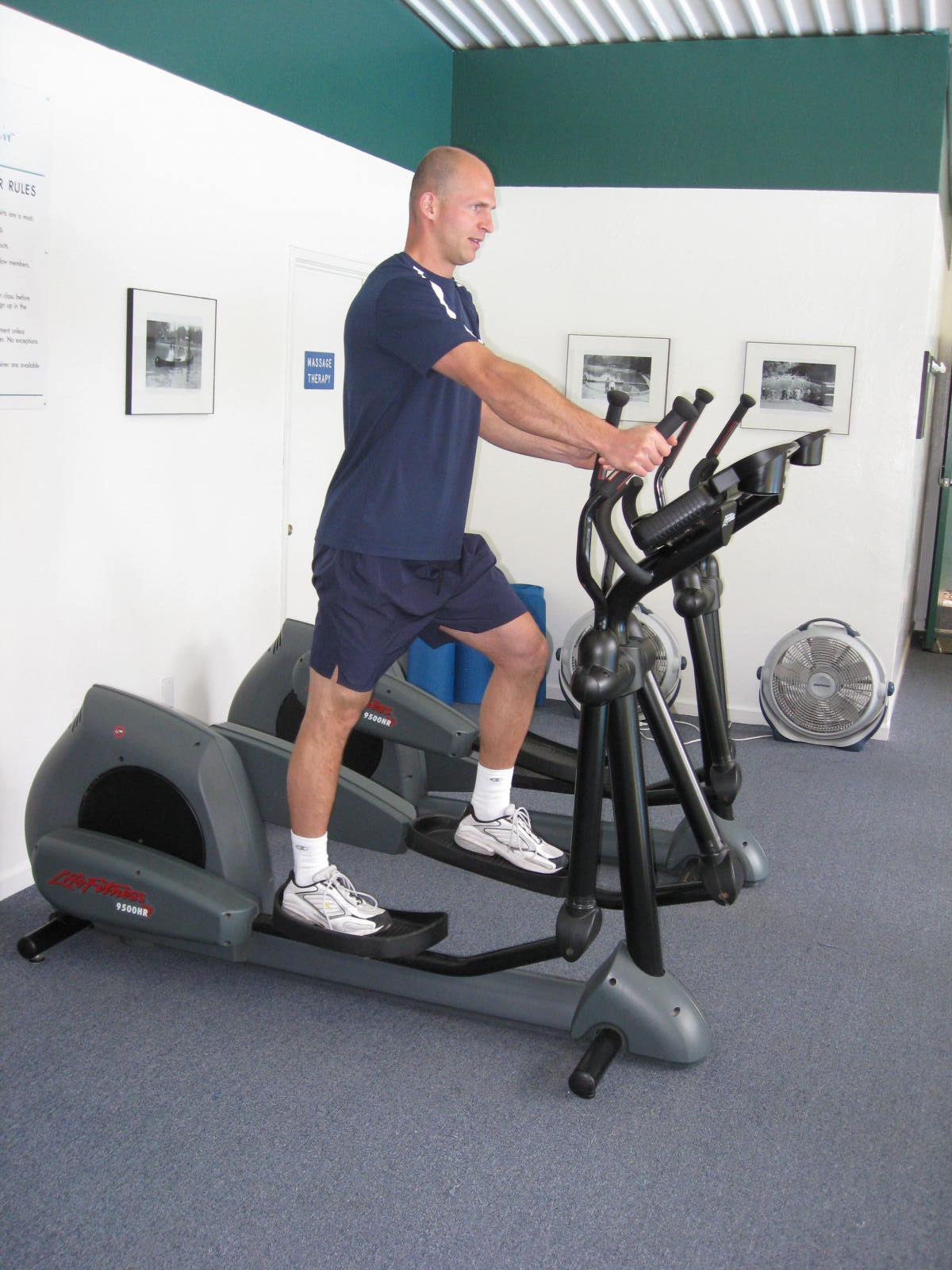
Read these before you start with the workout: You need to warm up first Than you need to stretch How heavy should the weight be? Lift with the right speed Breathe correctly How long should you rest between sets? 1.Lat pulldown – 15 repetitions; primary muscles trained – latissimus dorsi, teres major, midle trapesius, rhomboids […]
Workout plan #1 – simple, effective and safe all-body-machines-resistance workout
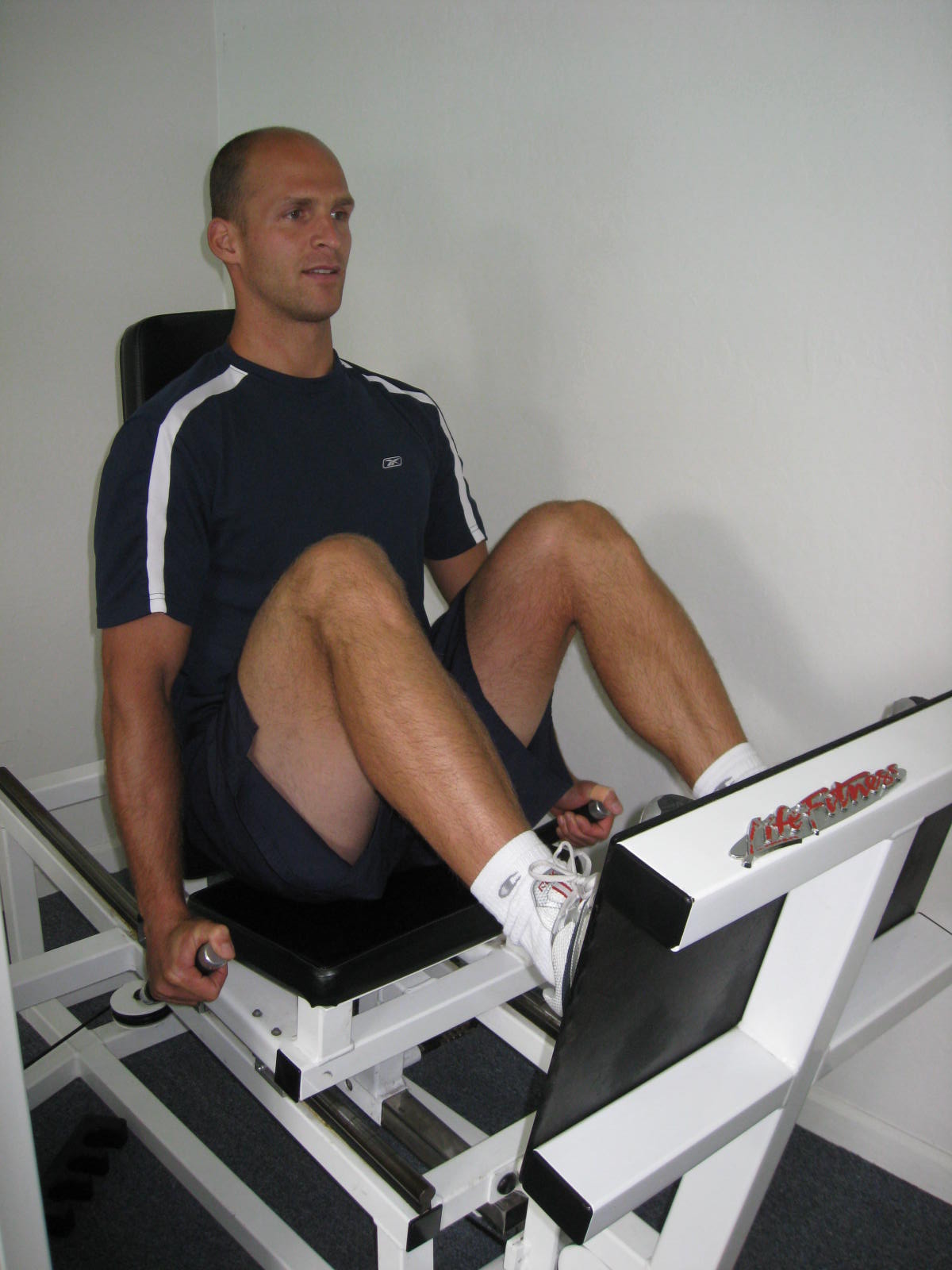
Who is this plan for? people just starting with resistance training older people looking for safe effective resistance workout that targets all major muscle groups anybody with limited amount of time, who wants a simple effective all body weight training solution Why is this plan so effective? It is consisted of core, multi-joint exercises that […]