Functional and Mental Performance, Prevention, Health and Great Look through Fitness an Wellness
November 29th, 2007 Milan

Here are some most important facts about rheumatoid arthritis:
- About one half of one percent of the population has rheumatoid arthritis, about 20 million people around the world and most of these people (about three-quarters) are women
- The condition usually appears in middle life, in the forties or fifties
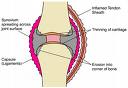
- In rheumatoid arthritis, the synovial membrane lining (joint synovium) in the joint becomes inflamed
- Because of the bulk of these inflammatory cells, the joint becomes swollen (swollen join capsule), and feels puffy or boggy to the touch.
- The increased blood flow that is a feature of the inflammation makes the joint warm
- The cells release chemicals (called enzymes) into the joint space and the enzymes cause further irritation and pain .
- If the process continues for years, the enzymes may gradually digest the cartilage and bone of the joint, actually eating away parts of the bone.
This, than, is rheumatoid arthritis, a process in which inflammation of the joint membrane, over many years, can cause damage to the joint itself.
Posted in Arthritis | No Comments »
November 27th, 2007 Milan
Here are some nutritional tips to start with from “the ultimate makeover nutrition program” from David Kirsches Ultimate New York Body Plan :
Week 1
- Ease yourself into eating regularly and preparing most of your meals
- Begin to create time to cook and brown-bag your lunch
- Give up soda and fruit juice, including diet varieties and
- Switch to herbal tea or club soda with lime or lemon
- Get in the habit of eating regular meals - three main meals and two small snacks
- If you are breakfast skipper, get into the habit of eating breakfast
Week 2
- Start to transition your diet away from processed foods (anything that comes in box, can, bag, or a shrink wrap) and toward whole foods
- Switch from fatty sources of protein to lean sources of protein. For example, instead of heaving t-bone steak, opt for skinless chicken breast
- For grains, choose whole grain options such as whole grain pasta and brown rice over pasta and white rice.
Ultimate strategies for success
- The next time you pack or buy a lunch, make it full of vegetables and whole foods
- When you are choosing protein, stick to the stuff that swims or flies (fish, poultry)
- When designing your meals, keep it lean and green - pair a lean protein source with vegetable.
Posted in Nutrition | No Comments »
November 24th, 2007 Milan
Ted Tanaka, doctor of pediatric medicine in interview also about wearing high heels and their impact on womans body:
For women, it’s hard to escape wearing high heels. Are they really that bad for the feet?
When you raise your heels more than two inches off the ground, the biomechanics of the whole body dramatically change. You force more weight on the balls of your feet, which adds more pressure onto joints and nerves and than changes the pull of the tendons and muscles. Wearing high heels continually over a matter of years can actually cause the calf muscle to shorten and tighten, which can cause arch cramps, achilles tendinitis and knee and hip joint pain. The back can become tired and sore because your muscles will try to keep you in balance.
So you would say don’t wear them?
Not higher than two inches. They look nice, but they aren’t very functional. They’re made purely for for cosmetic reasons - not long walks.
Posted in Sports medicine | No Comments »
November 21st, 2007 Milan
Every year, 1.2 million Americans have a heart attack.
Exercise affects the function of hearth muscle, but it also affects the blood vessels, from the large aortic artery to the large capillaries.
Exercise:
- can boost your HDL (”good”) cholesterol
- makes the lining of blood vessels more flexible
- has beneficial effects on risk factors for heart disease like lipids, blood pressure and insulin sensitivity
If partially blocked arteries are more elastic, they can relax better and send more blood to the heart muscles.
You don’t have to be an athlete to protect your heart.
In a study that tracked nearly 40 000 women for five years, those who walked briskly for at least an hour a week were half as likely to be diagnosed with hearth disease as those who did no regular walking. The risk was even lower for women who jogged or did other vigorous activity.
What’s more, researchers have tested the impact of exercise training on people who already have heart disease.
“If they are assigned to an exercise program, they have a lower risk of dying and dying from heart disease,” says I-Min Lee, associate professor of epidemiology at Harvard School of Public Health in Boston.
Posted in The cost of inactivity | No Comments »
November 16th, 2007 Milan
Lots of people were asking me lately about arthritis, osteoarthritis and osteoporosis and how exercise helps to prevent or improve these conditions. I decided to do research about these diseases and find the most effective exercise program to prevent or improve conditions caused by them.
1. Arthritis
There are over 120 kinds of arthritis, all of which have something to do with one or more joints in the body. The word arthritis means “inflammation of the joint.” The problem is that in many kins of arthritis, the joint is not inflamed. A better definition might be “problems with the joint, or the ligaments, tendons, and muscles near the joint.”
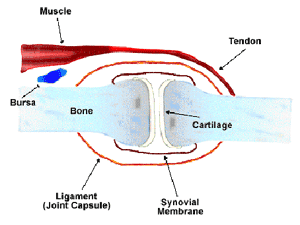
Now that you understand what arthritis means, the next step is to understand what a joint looks like and what the various parts do.
Where arthritis attacks

1. Cartilage
The end of each bone is covered with cartilage, a tough material that cushions and protects the ends of the bone.
2. Synovial membrane
Around each joint is the synovial sac, which protects the joint and also secretes the synovial fluid, which oils the joint.
3. Bursa
A bursa is a small sac that is not part of the joint but is near the joint. It contains a fluid that lubricates the movement of muscle: muscle across muscle and muscle across bones.
4. Muscle
The muscles are elastic tissues that, by becoming shorter and longer, move the bones and thus move you.
5. Tendon
The tendons are fibrous cords that attach the muscles to the bones.
6. Ligament
The ligaments are fibrous cords, much shorter than tendons, that attach bone to bone and make up the joint capsules.
When someone says, “I have arthritis,” it means that something is wrong with one or more of these parts. For example, when the synovial membrane becomes inflamed, this is true arthritis. The joint is inflamed. However, if the muscle becomes stretched from overexercise or is injured, this is not arthritis. The joint itself is not affected.
Posted in Arthritis | No Comments »
November 13th, 2007 Milan
From fitness magazine: A cold water is a better bet than hot bath to help prevent muscle soreness after workout. Immersing yourself in chilled water is like an ice pack for your entire body.
When you exercise, your blood vessels open wider and stay that way for at least an hour afterward. Soreness occurs when waste products like lactic acid settle in your muscles through these dilated vessels. Colder temps constrict vessels, limiting the amount of waste product that accumulates. If you’re feeling brave, fill your tub halfway with cold water and add a bucket of ice cubes. Gradually submerge your body into the water to your waist. Don’t submerge your chest; the extreme temperature could cause injury. Work up to soaking for 30 seconds to one minute (a cold shower won’t yield the same results)
If you really feel brave, try it. It works! I did and I really felt great after. It is good to do it after long exhausting hike, moving furniture, long soccer game or any kind of hard and long physical activity.
Posted in Active lifestyle | No Comments »
November 9th, 2007 Milan
From fitness magazine about benefits of jumping-kind of exercise:
You know high-impact exercise builds bone mass, but how much does it take for results?A recent study found that women who did an average of just one 60-minute high-intensity exercise session a week (running at a 7.5-minute-mile pace, jumping and aerobic stepping), as well as two 10-minute workouts (again high intensity), gained small but significant increase in thighbone density.Do your bones good and add sprints, jumping jacks, rope jumping, jumping with weights to your exercise plan two or three times a week for 10 - 15 minutes.
Posted in Sports medicine | No Comments »
November 7th, 2007 Milan
Here are my top ten ways to add movement to your daily routine:
1. Take the stairs
Skip the elevator or escalator and take the stairs.
2. Skip the parking space
Instead of circling the parking lot looking for that perfect space, park at the far end and walk.
3. Walk or bike instead of drive
Instead of putting the key in the ignition, put on your walking shoes or hop on your bicycle
4. Go to the store
Now that shopping can be a matter of clicking a mouse or dialing a phone, make an effort and go to the store. Browse in a bookstore or walk a few extra laps around the mall
5. Clean the house
Yes, housework counts! Do your own housework instead of hiring someone (or not doing it at all). Wash the dishes by hand, sweep and mop the floor, or put clothes away
6. Garden
Work in the garden, move the grass (no, riding mowers don’t count), prune, dig, pick up trash
7. Watch television
No, you are not going to get in shape by watching television. But if you must, pedal on a stationery bike, stretch, or at least throw away the remote
8. Stretch
If you’ve been sitting for a long time, roll your shoulders backward and forward, roll your neck, stretch your arms out in front of you, and take a deep breath
9. Fidget
When talking on the phone, stand up and walk around. When sitting, move your legs around
10. Get out of your chair at the office
Walk down the hall instead of calling or emailing a coworker. Walk around the block at lunchtime. Try having a walking meeting with coworkers
Posted in Active lifestyle | No Comments »
November 5th, 2007 Milan
It’s bad enough that inactivity can turn your muscles to Jell-O. Can it do the same to your brain?
“The evidence is fairly solid that people who are more physically active are at lower risk for cognitive decline and dementia,” says Constantine Lyketsos, director of the division of geriatric psychiatry and neuropsychiatry at Johns Hopkins University School of Medicine in Baltimore.
For example, the brains of physically active mice have more nerves, more connections between nerves, fewer clogged arteries, more oxygen flow, and better ability to utilize glucose. All are probably factors in helping prevent cognitive decline and dementia.
Recent studies used mice that are prone to acquire the amyloid plaques that are found in the brains of Alzheimer’s patients.
At least one study suggest that if you take these mice out of their traditional cages, where there is little to do, and put them into stimulating cages with more colors, objects, brighter areas, and little mouse treadmills, you find fewer amyloid deposits in the brain.
Posted in The cost of inactivity | No Comments »
November 1st, 2007 Milan
“The evidence is fairly clear now that men and women who are physically active have a 30 to 40 percent lower risk of colon cancer compared to individuals who are not active,” says Harvard’s I-Min Lee, who examined dozens of studies.
Experts have several theories that might explain how physical activity protects the colon. ” It increases transit in the intestine, which makes food flow through fast,” says Lee. “So any carcinogens in the intestine have less contact with the cells that line the intestine.”
Another possibility is that regular exercise shores up the immune system. ” That would protect the body from any cancer, including colon,” she ads.
Than there’s the obvious: “Physical activity prevents weight gain, and the overweight have a higher risk of colon cancer,” says Lee.
How much movement is enough? “We don’t have precise data, but it looks like you need 30 to 60 minutes a day of moderate-intensity physical activity.” says Lee.
Regular exercise also appears to lower the risk of breast cancer by about 20 percent.
“We are not clear how much physical activity you need to reduce the risk of breast cancer,” says Lee. But it’s in the same ballpark as for colon cancer - between 30 and 60 minutes of moderate-intensity physical activity a day.”
As for some other cancers, she ads,”there’s some suggestive evidence, but it’s not as conclusive.”
Posted in The cost of inactivity | No Comments »